

Quick answer
Nile River cruise companies fall into four tiers: international luxury brands operating five-star vessels with pool decks and full-service spas, Egyptian heritage operators running mid-size fleets on fixed weekly schedules, boutique dahabiya specialists with sail-powered boats for smaller groups, and budget operators offering no-frills cabins on three- and four-night routes. No central entrance fee applies to the river itself; cruise costs vary by operator category, cabin grade, and season, with packages typically including meals, guided temple visits, and onboard entertainment.
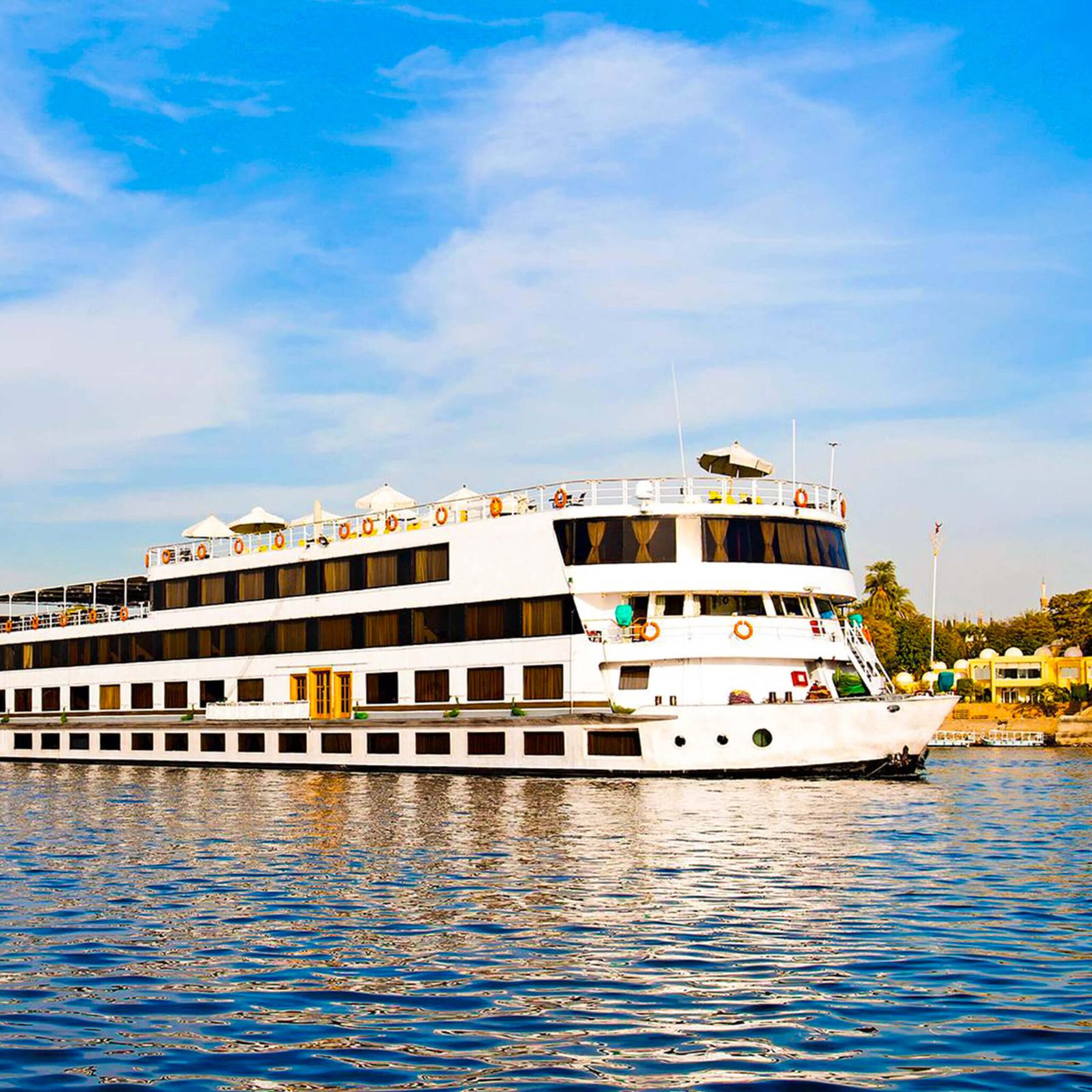
The Nile hosts one of the world's oldest continuous tourism industries, with organized river voyages dating to the mid-nineteenth century when Thomas Cook chartered steamers for European travelers. Today's fleet exceeds three hundred vessels, yet most sailings concentrate along the 240-kilometer corridor between Luxor and Aswan, where temple access and favorable currents create a natural circuit. Operators divide into distinct segments, each optimized for a particular traveler profile and budget threshold. International luxury lines maintain smaller fleets of purpose-built ships, typically fifteen to thirty suites per vessel, with crew-to-guest ratios near one-to-one and partnerships with global hotel brands. These companies operate year-round but peak during October through April, when European and North American groups dominate passenger manifests. Egyptian heritage operators control the majority of mid-market capacity, running fleets of ten to fifty ships on synchronized weekly departures that align with charter flight arrivals. Their model emphasizes volume and reliability, with standardized itineraries covering Karnak, Valley of the Kings, Kom Ombo, Edfu, and Philae across three-, four-, or seven-night formats. Dahabiya specialists occupy a separate niche, using wind-powered wooden boats limited to eight to twelve cabins. These operators prioritize anchorage flexibility, stopping at minor sites inaccessible to larger vessels and mooring on sandbanks rather than crowded docks. The pace is slower, the group size intimate, and the environmental footprint lighter, but departure frequency is lower and per-night rates higher than standard cruises. Budget operators serve domestic and regional markets, often running older vessels with basic amenities on compressed schedules that skip smaller temples in favor of the headline monuments. Choosing among Nile river cruise companies requires aligning vessel class with travel priorities: luxury seekers favor international brands with curated excursions and premium cabins, while independent travelers often select mid-tier Egyptian operators for lower rates and cultural immersion. Dahabiyas suit travelers prioritizing tranquility and off-route exploration, while budget options work for monument-focused itineraries where onboard time is minimal. Regardless of tier, all operators navigate the same route, dock at shared temple landings, and operate within Egypt's unified licensing framework, ensuring baseline safety and access standards across the fleet.
“The Nile hosts one of the world's oldest continuous tourism industries, with organized river voyages dating to the mid-nineteenth century.”
Optimal Seasons for Choosing Nile River Cruise Companies
The most favorable period for Nile River cruises spans from October to April, when milder temperatures facilitate comfortable exploration of archaeological sites. Embarkation within the 08:00–10:00 arrival window is recommended to minimize exposure to peak afternoon heat and ensure optimal lighting for photography.
October to April
Moderate to highMild temperatures, 15°C to 25°C
This season offers the most comfortable climate for extended excursions and sightseeing.
May to September
LowerHigh heat, often exceeding 35°C
Daytime temperatures are intense, requiring careful hydration and limitation of outdoor activity.
Daily 08:00–10:00
Variable—
Arriving during this window avoids the primary midday heat and provides better light for photography.
Verdict: For the best experience, plan your cruise between October and April and ensure your arrival window is 08:00–10:00.
How to Vet and Select Nile River Cruise Companies
Selecting a reputable Nile cruise operator requires verifying credentials, comparing vessel standards, and confirming what each package includes. The vetting process typically takes 2–3 hours of research before booking.
Check company licensing and safety certifications
Verify that the operator holds valid Egyptian Ministry of Tourism registration and displays current safety inspection certificates. Many complaints stem from unlicensed vessels that lack proper insurance or emergency equipment.
Compare vessel age and amenities
Request the build year and recent inspection reports—older boats often have plumbing or air-conditioning failures that companies don't disclose upfront. Ask for cabin photos taken within the past six months rather than marketing images.
Confirm inclusions in writing
Get a written breakdown of what meals, excursions, and entrance fees are covered versus additional charges. The phrase "all-inclusive" varies widely; some operators exclude site entry tickets or Egyptologist fees.
Verify departure dock and itinerary flexibility
Confirm the exact embarkation point (Luxor and Aswan docks differ) and whether the schedule adjusts for lock delays or low water. Itinerary changes are common but rarely communicated before departure.
Read independent reviews on multiple platforms
Cross-reference feedback on TripAdvisor, Google, and cruise-specific forums—single-platform ratings can be manipulated. Focus on reviews mentioning crew responsiveness and how the company handled problems.
Access and Operations for Nile River Cruise Companies
Nile River cruise operations are accessible throughout the day and night. While the riverfront remains open at all times, specific departure schedules are determined by individual cruise operators.
| Monday | 00:00–23:59 | |
|---|---|---|
| Tuesday | 00:00–23:59 | |
| Wednesday | 00:00–23:59 | |
| Thursday | 00:00–23:59 | |
| Friday | 00:00–23:59 | |
| Saturday | 00:00–23:59 | |
| Sunday | 00:00–23:59 |
Essential Preparation for Booking Nile River Cruise Companies
Confirm documentation and booking details well before departure to avoid last-minute complications.
-
Verify passport validity (6 months minimum) — Egyptian immigration requires at least six months remaining validity for entry.
-
Obtain Egyptian visa in advance — Most nationalities need a tourist visa secured before arrival or on entry.
-
Confirm cruise operator booking reference — Operators require proof of reservation for embarkation and itinerary confirmation.
-
Check vaccination and health requirements — Certain routes may require proof of vaccinations depending on ports of call.
-
Arrange travel insurance with river coverage — Standard policies may exclude inland waterway travel incidents.
-
Download digital copies of all documents — Internet access may be limited along remote Nile stretches.
-
Confirm embarkation port and time 48 hours prior — Departure points vary by operator and itinerary; late arrivals forfeit boarding.
Check availability
Common Questions About Nile River Cruise Companies
Everything you need to know about nile river cruise companies